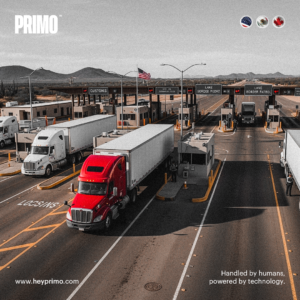
Cross-border freight compliance is critical as North American trade volumes surge to unprecedented levels. Proper documentation prevents costly delays and ensures regulatory adherence across the US-Mexico-Canada corridor. These requirements maintain competitive advantage in detailed transportation logistics operations.
Minor documentation errors result in significant supply chain disruptions. Companies must navigate varying regulatory frameworks while maintaining operational efficiency and cost control.
Cross-border freight movements across North America have reached unprecedented volumes. According to Logistics Management, there were more than 320,000 cross-border freight movements between the U.S., Canada, and Mexico in recent years; there were approximately 20,900 monthly cross-border freight movements between the U.S. and Mexico; and there were an additional 6,000 monthly cross-border freight movements between the U.S. and Canada last year.
Nearshoring strategies continue driving increased volumes as companies relocate manufacturing operations closer to North American markets. Increased volumes pressure existing border crossings and supporting infrastructure, creating new challenges for freight management professionals.
Mexico’s emergence as the largest U.S. trading partner reflects this fundamental shift in global logistics networks. The automotive, electronics, and consumer goods sectors have particularly benefited from reduced transportation modes distances and improved supply chain resilience. Proper documentation and customs compliance procedures are essential.
Understanding freight risks becomes essential as volumes increase and regulatory scrutiny intensifies across all major trade corridors.
United States Requirements
CBP Form 7501 serves as the primary entry document for all commercial imports, requiring detailed product descriptions, values, and country of origin information. Customs clearance officers rely on this documentation to assess duties and verify regulatory compliance with federal trade regulations.
Commercial invoices must include complete product details, including harmonized tariff schedule classifications and accurate pricing information. Packing lists provide additional verification of shipment contents, supporting customs procedures and facilitating efficient processing.
Bills of lading specifications vary depending on transportation modes but must always include complete shipper and consignee information. These documents establish legal responsibility for freight movements and provide essential tracking capabilities throughout the supply chain.
Mexico Documentation Standards
Complemento Carta Porte (CCP) requirements mandate electronic documentation for all domestic freight movements within Mexico. This system enhances cargo theft prevention and provides real-time visibility for cross-border logistics operations.
PEDIMENTO customs brokerage declarations require precise product classifications and value declarations. Mexican authorities have increased enforcement of these requirements, making accuracy essential for avoiding delays and penalties.
Certificate of origin documentation under USMCA enables duty-free treatment for qualifying products. Proper completion requires understanding detailed regional value content calculations and sector-specific requirements.
Effective truckload services must incorporate these documentation requirements into standard operating procedures to ensure seamless border crossings.
Canada Compliance Framework
Canada Border Services Agency requirements emphasize accurate commercial invoice specifications and complete product descriptions. Customs compliance officers focus particularly on proper valuation methods and country of origin declarations.
Commercial invoice specifications must include detailed terms of sale, payment methods, and currency information. These requirements support trade regulations enforcement and facilitate accurate duty assessments.
Temporary importation documentation enables specific goods to enter Canada without permanent import status. This process requires careful coordination with customs brokerage professionals to ensure proper classification and timing.
Rules of origin certification determine eligibility for preferential duty treatment under the agreement. Companies must maintain detailed records supporting their origin claims, including production processes and material sourcing information.
Duty-free qualification criteria vary significantly across product categories, requiring specialized knowledge of trade regulations and classification systems. Regulatory compliance teams must stay current with changing interpretations and enforcement practices.
Regional value content calculations involve detailed formulas considering labor, materials, and overhead costs. These calculations directly impact duty liability and require careful documentation to support customs clearance processes.
Textile and automotive sector-specific requirements include additional certification procedures and enhanced record-keeping obligations. These industries face particular scrutiny due to their economic significance and detailed supply chains.
Understanding nearshoring bottlenecks helps companies prepare for increased regulatory attention as trade volumes continue growing.
Incomplete or inaccurate commercial invoices represent the most frequent cause of customs clearance delays. Missing product descriptions, incorrect values, or improper currency designations trigger extensive examinations and additional costs.
Missing harmonized tariff schedule classifications create uncertainty for customs officers and often result in higher duty assessments. Companies should invest in proper classification research and maintain current tariff schedules for all products.
Incorrect country of origin declarations have serious legal and financial consequences. Regulatory compliance requires understanding detailed origin rules and maintaining detailed production records to support claims.
Freight insurance documentation must align with shipment values and coverage requirements. Discrepancies between insurance certificates and commercial invoices complicate claims processing and delay settlements.
There are many different ways documentation can be shared in the modern world of logistics, including:
Licensed customs brokerage professionals provide essential expertise in navigating detailed regulatory requirements. Their specialized knowledge helps companies avoid common pitfalls and maintain consistent customs compliance across all shipments. Selecting qualified cross-border logistics partners requires evaluating their experience, technology capabilities, and geographic coverage. The best providers offer complete services including documentation preparation, customs clearance, and post-clearance support.
Communication protocols for documentation requirements should establish clear responsibilities and timelines for all parties. Regular reviews ensure that procedures remain current with changing regulations and business needs.Evaluating the ROI of cross-border 3PL partnerships regularly can also help companies understand the value proposition of professional logistics support versus internal management.
Document backups ensure business continuity during system failures or other disruptions. Companies should maintain both electronic and physical copies of critical documents, with secure storage and retrieval capabilities.
Handling customs examinations requires prepared documentation packages and clear communication protocols. Freight management teams should understand examination procedures and maintain relationships with qualified representatives at key border crossings. Logistics networks must also incorporate contingency planning for various scenarios, including regulatory changes, system failures, and capacity constraints. Flexible documentation processes enable rapid adaptation to changing requirements.
Successful cross-border freight compliance requires complete understanding of documentation requirements and strategic partnerships with experienced logistics providers. PRIMO’s approach combines licensed customs brokerage services, advanced tracking systems, and bilingual support across all major trade corridors. Our team understands customs procedures in all three countries and provides the freight capacity needed for your business requirements. Request a quote from PRIMO to get started.