
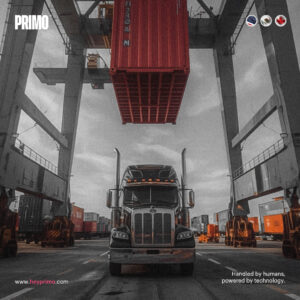
Drayage services serve as the critical link connecting ports, rail yards, and distribution centers. These short-haul transportation solutions move containers and cargo over the crucial “first and last mile” of the supply chain journey. Global trade volumes surge and e-commerce demands accelerate, making understanding how drayage services optimize port-to-warehouse transportation essential for logistics professionals seeking competitive advantages. Modern supply chains depend on seamless coordination between multiple transportation modes, and maximizing efficiency in these operations directly impacts overall supply chain performance. Drayage importance grows as speed, reliability, and cost-effectiveness determine market success.
As reported by Technavio, the global drayage services market size is estimated to grow by USD 2.46 billion from 2025-2029, according to Technavio. The market is estimated to grow at a CAGR of over 1.8% during the forecast period. Drayage services represent specialized transportation operations that bridge the gap between long-haul shipping and final delivery destinations.
These services move shipping containers and cargo over distances of less than 100 miles, connecting major transportation hubs with local distribution networks. The short-haul nature of drayage transportation makes it uniquely positioned within the supply chain ecosystem. Unlike long-distance trucking or ocean freight, drayage focuses on rapid, localized movement that requires intimate knowledge of regional infrastructure, traffic patterns, and operational constraints. This specialization enables port logistics to function efficiently despite the complexity of coordinating multiple stakeholders.
Effective container drayage operations also create seamless connections between ports, rail yards, and distribution centers. These connections form the backbone of modern intermodal transportation networks, where cargo moves fluidly between ships, trains, and trucks without compromising delivery schedules or increasing costs.
Port drayage operations represent the most visible form of drayage activity, moving containers directly from marine terminals to nearby facilities. This type of service requires specialized equipment capable of handling standardized shipping containers and navigating the unique challenges of port environments.
Rail drayage and intermodal connections facilitate the transfer of cargo between rail terminals and local destinations. These operations coordinate complex scheduling to align with train arrivals and departures while maintaining efficient container handling processes.
Expedited and specialized drayage requirements address time-sensitive shipments and unique cargo specifications. Whether handling hazardous materials, oversized loads, or temperature-controlled goods, specialized drayage services ensure that non-standard cargo receives appropriate handling throughout the transportation process.
Container volume fluctuations create significant capacity constraints that challenge even the most experienced drayage providers. Seasonal peaks, unexpected cargo surges, and economic fluctuations can overwhelm available equipment and driver resources, leading to delays and increased costs. Recent developments highlight these challenges, as rail congestion issues continue to impact West Coast operations. Rail congestion and dwell time management have become critical factors affecting overall supply chain performance, with extended delays rippling through entire distribution networks.
Equipment availability and positioning present ongoing operational challenges. Containers, chassis, and specialized handling equipment must be strategically positioned to meet demand while minimizing empty repositioning costs. This balancing act requires strategic planning and real-time equipment tracking. Driver shortages compound these operational difficulties. The specialized nature of drayage work requires experienced operators familiar with port procedures, equipment handling, and local regulations.
Real-time tracking and visibility systems have revolutionized drayage operations by providing unprecedented insight into cargo location, status, and estimated arrival times. These systems enable proactive problem-solving and improved customer communication while reducing the uncertainty that traditionally plagued short-haul transportation.
Route optimization and scheduling efficiency leverage advanced algorithms to minimize travel time, fuel consumption, and operational costs. By analyzing traffic patterns, delivery windows, and equipment constraints, modern drayage providers can maximize productivity while maintaining service quality.
Strategic partnerships with port authorities and rail operators create competitive advantages through preferential access, reduced wait times, and coordinated scheduling. These relationships enable freight forwarding companies to offer more reliable service while managing operational risks more effectively. Technology integration for seamless operations encompasses everything from automated dispatch systems to mobile applications that keep drivers connected and informed. This technological foundation supports the rapid decision-making required in dynamic drayage environments. Predictive analytics help anticipate equipment needs and optimize asset positioning across multiple locations.
Reduced transit times and improved reliability directly impact inventory management strategies and customer satisfaction levels. When drayage services operate efficiently, businesses can maintain leaner inventory levels while meeting customer expectations for rapid delivery. The impact of efficient operations becomes particularly evident during peak periods, as demonstrated by recent container surge events at major ports.
Cost optimization through efficient routing reduces per-unit transportation costs while improving asset utilization across the entire supply chain network. Enhanced inventory management capabilities emerge when drayage operations provide predictable, reliable service. This reliability enables just-in-time delivery strategies and reduces the safety stock requirements that tie up working capital and warehouse space.
The integration of last-mile delivery considerations into drayage planning creates additional value by optimizing the entire transportation chain from port to final destination. Improved visibility across the supply chain enables better demand forecasting and capacity planning. Real-time data sharing between stakeholders reduces communication delays and improves coordination.
Drayage services optimize port-to-warehouse transportation through specialized short-haul operations that connect global trade networks with local distribution requirements. Effective container handling, intermodal transportation, and supply chain optimization depend on strategic partnerships, advanced technology, and operational expertise that address capacity constraints, equipment positioning, and real-time visibility challenges while delivering cost-effective port logistics and freight forwarding solutions. Request a quote from PRIMO to get started.